

 ITA
ITA  ENG
ENG SPAN
SPAN FR
FR NL
NL GER
GER FI
FI

 ENG
ENG  ITA
ITA BIM and CDE: what they are and how they interact, benefits
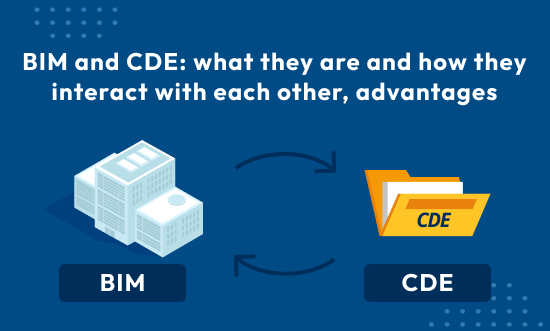
Construction digitalization: why BIM and CDE are essential
In the construction sector, digitalization has become a key element to increase efficiency, quality and competitiveness. Two central tools in this process are BIM (Building Information Modeling) and the CDE (Common Data Environment). Understanding what they are and how they interact makes it possible to fully grasp the benefits of digital management of projects and real estate assets.
What is BIM (Building Information Modeling)
BIM is a digital methodology that allows the creation, management and sharing of information models of buildings and infrastructure throughout their entire lifecycle. Through BIM, all information – geometric, technical, economic and operational – is integrated into a single digital model. This approach improves collaboration among project stakeholders, reduces errors and inconsistencies, and enables faster, better-informed decisions. BIM is now an internationally recognized standard and is increasingly required by Italian regulations.
What is the CDE (Common Data Environment)
The CDE is a centralized digital environment for collecting, managing and sharing all project data and documents. It works as a “single source of truth”, ensuring that every stakeholder always works on the most up-to-date version of the information. The CDE is essential for effective collaboration and revision traceability. In Italy, its use is regulated by UNI 11337 and the Public Procurement Code, which require its adoption in public works.
How BIM and CDE interact
The CDE represents the enabling platform for collaboration in BIM processes. All models, documents and revisions generated during design, construction and management phases are uploaded and shared within the CDE. This environment makes it possible to:
- Centralize all project information in a single digital space
- Manage versions of models and documents, avoiding errors caused by outdated files
- Track changes and responsibilities of each stakeholder
- Facilitate collaboration among multidisciplinary teams, even remotely
- Automate information flows and approvals
Through the CDE, BIM becomes truly operational: every professional accesses updated data, participates in review processes and contributes to the overall quality of the project.
Benefits of BIM+CDE integration
The combined adoption of BIM and CDE offers numerous concrete benefits for all actors involved in construction projects. The main advantages include:
- Operational efficiency: reduced time spent searching and sharing data
- Error reduction: by always working with updated data, duplication and inconsistencies are avoided
- Cost savings: fewer reworks and less waste of materials and resources
- Improved collaboration: all teams work in a coordinated way, even from different locations
- Transparency and traceability: every change is logged and attributable
- Decision support: reliable and accessible data enable fast, informed choices
- Sustainability: digital processes reduce paper use and unnecessary travel
These advantages result in safer, more sustainable and more profitable projects, both during construction and throughout the management and maintenance of real estate assets.
Technological evolutions: openCDE and interoperability
The evolution of the CDE moves toward the concept of openCDE, which aims to ensure interoperability between different platforms and software. Through the use of APIs and open standards, it is possible to automate data exchange between BIM and CDE systems, reducing manual errors and improving process fluidity. openCDE represents the future of digital collaboration in the construction sector.
UTwin: the platform that enhances BIM and CDE
UTwin integrates BIM, CDE and CMMS functionalities into a single digital solution, offering a platform that is easy to use and quick to implement. With UTwin, all data and documents are centralized, accessible and shareable in real time, fostering team collaboration and efficient building management. The platform supports process digitalization, reduces onboarding time and easily integrates with existing systems.
Construction digitalization: an opportunity to seize
The integration of BIM and CDE represents a turning point for the construction sector, bringing efficiency, transparency and sustainability. Leveraging these technologies means preparing for future challenges and enhancing every phase of the building lifecycle. Exploring these tools is the first step toward smarter, more digital asset management.


Informative Material