

 ITA
ITA  ENG
ENG SPAN
SPAN FR
FR NL
NL GER
GER FI
FI

 ENG
ENG  ITA
ITA How to evaluate and achieve energy efficiency in buildings
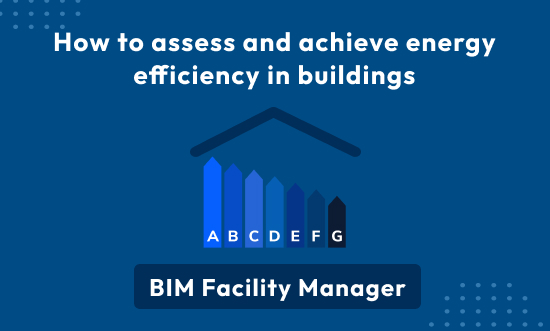
Energy efficiency: a priority for modern buildings
Energy efficiency in buildings is now a central theme for saving on management costs, increasing comfort, and reducing environmental impact. An efficient building consumes less energy, emits less CO₂, and complies with current regulations. Evaluating and improving energy efficiency is fundamental for those managing real estate assets, companies, and public facilities.
Regulations: what the law provides in Italy and Europe
The Italian legislation on the energy efficiency of buildings is based on Legislative Decree 192/2005 and subsequent updates, such as DM 26/06/2015. These regulations establish certification obligations and minimum energy performance requirements. At the European level, the EPBD Directive (Energy Performance of Buildings Directive) imposes decarbonization goals and promotes nearly zero-emission buildings. Being compliant with these rules is essential to avoid penalties and access incentives.
Tools and methods for evaluating energy efficiency
Various tools are used to evaluate the energy efficiency of a building:
- Energy Performance Certificate (APE): a mandatory document that classifies the building based on consumption.
- Energy diagnosis: an in-depth analysis of consumption and dispersion, useful for identifying improvement interventions.
- Energy audit: detailed verification of the performance of systems and structures.
- Consumption monitoring: collection and analysis of real data through digital systems.
The evaluation can be mandatory (such as the APE for sales and leases) or voluntary, for those wishing to optimize management and reduce costs.
Digitalization: Digital Twin and CMMS platforms
Digital technologies are revolutionizing energy efficiency management. Two key tools are:
- Digital Twin: a digital replica of the building that integrates data from sensors, systems, and management platforms. It allows real-time visualization of consumption, scenario simulation, and waste identification.
- CMMS Platforms (Computerized Maintenance Management System): centralize the management of maintenance, interventions, and energy monitoring, facilitating team collaboration and predictive planning.
The main advantages of digitalization are:
- Automatic data collection from IoT sensors and BMS systems.
- Advanced analysis to identify inefficiencies and intervention priorities.
- Detailed reporting for quick and informed decisions.
- Integrated management of multiple buildings and systems from a single platform.
Digital Twin and CMMS make energy evaluation continuous, precise, and easily accessible even to non-experts.
Strategies and interventions to achieve and improve energy efficiency
To obtain and increase energy efficiency, it is essential to act on multiple fronts. The most effective strategies include:
- Envelope interventions: thermal insulation, replacement of windows, solar shading.
- Systems efficiency: condensing boilers, heat pumps, LED lighting.
- Automation and control: home automation systems and intelligent consumption regulation.
- Continuous monitoring: constant verification of data to identify anomalies and optimize parameters.
- Staff training: awareness and involvement of users to reduce waste.
- Predictive maintenance: preventing failures and inefficiencies through data analysis.
Integrated management of these aspects guarantees lasting and measurable results.
Incentives and economic advantages
Investing in energy efficiency allows access to incentives and tax deductions such as Ecobonus and Superbonus. The economic advantages include:
- Reduction of energy costs in the short and long term.
- Property value enhancement thanks to a better energy class.
- Greater competitiveness in the real estate market.
Efficient management translates into concrete savings and benefits for the environment.
UTwin: the platform for digital energy efficiency
UTwin supports the evaluation and improvement of energy efficiency thanks to a platform that integrates Digital Twin and CMMS. The main advantages are:
- Real-time monitoring of energy consumption via sensors and BMS systems.
- Data centralization and 3D visualization to quickly identify waste and efficiency opportunities.
- Advanced reporting for detailed analysis and quick decisions.
- Ease of use and integration with existing systems, making energy management accessible to all departments.
- Team collaboration and predictive management of interventions.
UTwin makes the journey toward more efficient and sustainable buildings simple and immediate.
Energy efficiency: an achievable goal
Evaluating and achieving energy efficiency in buildings is easier today thanks to digital tools and integrated strategies. Investing in innovative technologies and intelligent data management allows for savings, enhances property value, and contributes to sustainability. Start planning the energy improvement of your buildings now and discover the advantages of advanced management.


Informative Material